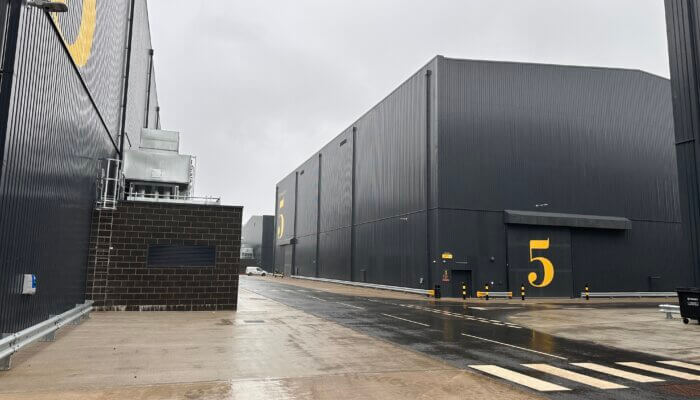
Maintaining architectural intent throughout a construction project can be challenging – particularly around roof and vertical penetrations as well as other interfaces.
Whether vertical or at roof level, these complex details can disrupt clean lines and carefully considered aesthetics if they are not properly planned and installed. If weatherproofing is not carried out effectively, it can also impact building performance and durability.
A well-designed weatherproofing strategy plays a key role in preserving a building’s architectural vision. At Jones Weatherproofing, our liquid-applied weatherproofing provides an effective, visually unobtrusive way to protect the building fabric while supporting the overall design intent.
Why some weatherproofing methods may compromise design intent
Weatherproofing may seem like a straightforward part of a build, but it can be surprisingly complex, especially when buildings contain multiple penetrations, such as:
- Service penetrations
- Cable trays
- Plant and equipment
- Flues and chimneys
- HVAC equipment and terminals
- Roof access hatches and service walkways
- Rooflights
- Structural supports
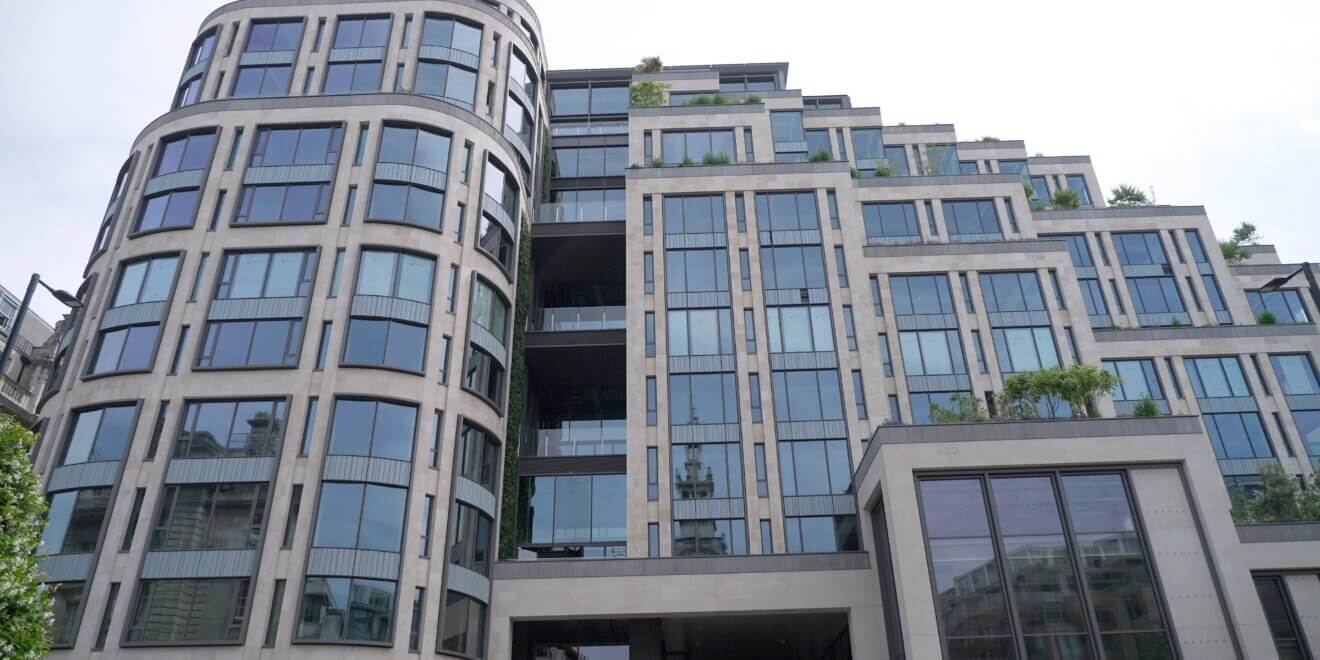
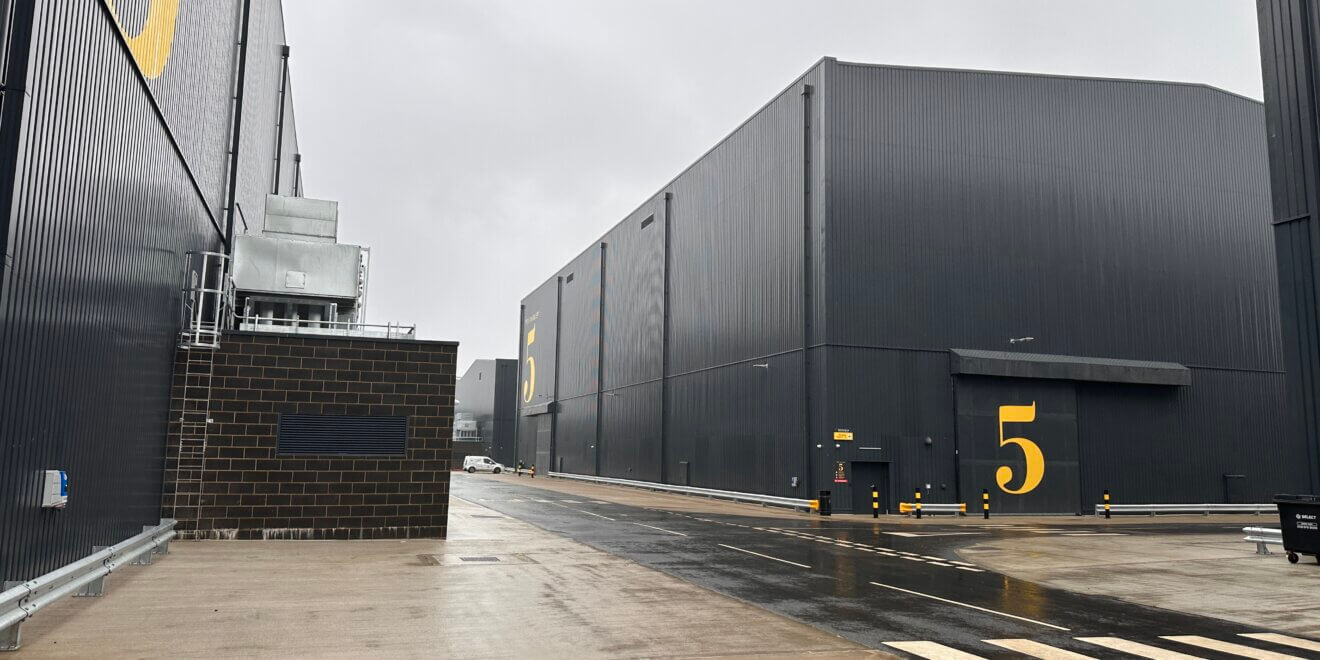
As services pass in and out of the building envelope, they can disrupt the visual appearance – penetrating cladding in undesirable locations or introducing obtrusive, inconsistent detailing.
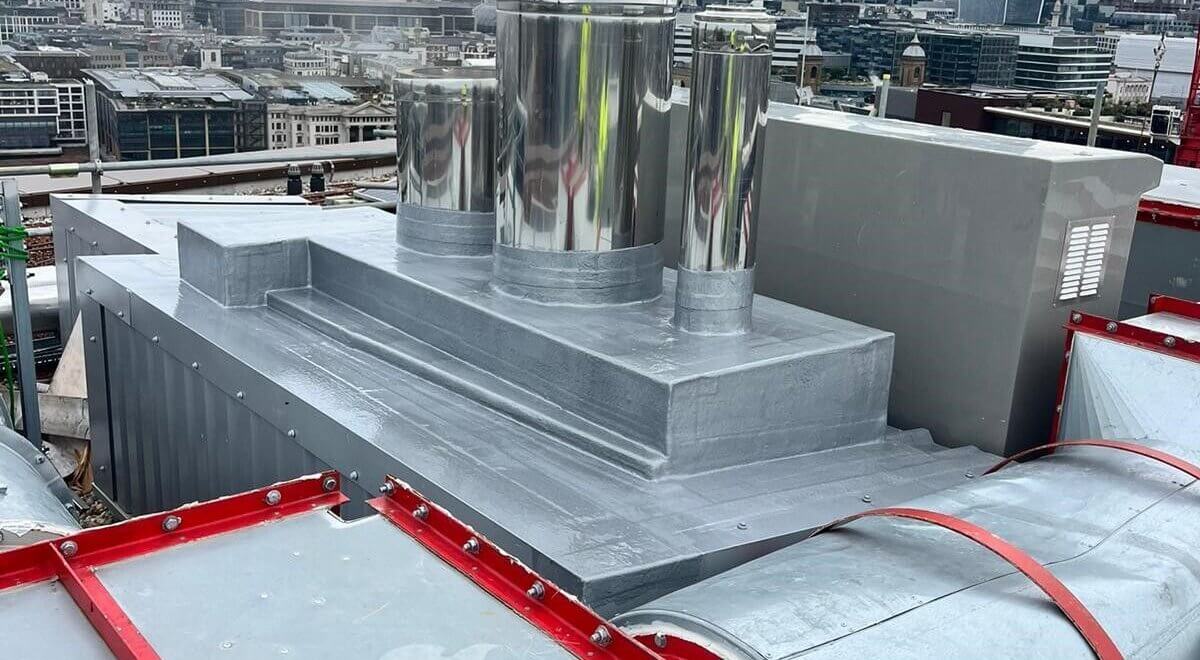
Meanwhile, roof penetrations can create visible interruptions to the roofline. They may look cluttered or bulky, depending on the type of weatherproofing that’s used. For example, traditional dog-kennel-style rooftop enclosures take up a lot of space and are typically prefabricated, so they are unlikely to blend in with the rest of the building’s design.
The role of liquid-applied weatherproofing in maintaining design intent
At Jones Weatherproofing, our liquid-applied weatherproofing system is flexible and versatile, making it suitable for use with all types of roofing materials, including GRP.
Because it is applied in situ and fully bonded to the substrate, the liquid-applied weatherproofing can be tailored to match complex shapes and layouts, without relying on prefabricated components or standardised details.
This allows each penetration or interface to be treated individually, while also providing a consistent, seamless finish across the whole roof area.
A liquid-applied approach allows each penetration or interface to be treated individually, explains Matt Jones, commercial director at Jones Weatherproofing, “Every penetration is different. With our liquid-applied weatherproofing system, we can form the detail around the penetrations, rather than forcing the penetrations into a standard system.”
Jones Weatherproofing also offers a colour-matching service, which means the waterproofing finish can be specified to blend in with surrounding materials or provide a deliberate contrast. This is ideal for retail outlets or other projects that require visual consistency and brand identity.

The importance of early engagement in preserving design intent
Although weatherproofing is often left until the end of a project, the best results can be achieved when the weatherproofing team is consulted from the planning phase.
In the early stages of a project, the Jones Weatherproofing team will work closely with architects and designers to provide weatherproofing expertise – covering everything from weatherproofing methods and upstands to penetration layouts and project programming. This helps to avoid costly changes later on and reduces the risk of compromising the design.
As Matt explains, “The earlier we’re involved, the easier it is to align the weatherproofing with the architectural intent.”
He warns that holding off on weatherproofing may lead to remedial work or compromises. “We’re often brought in late, when other installations are blocking access to the penetrations or open penetrations are already experiencing water ingress. In these cases, installations may need to be removed, damage may need to be repaired, and compromises may need to be made.”
Maintaining your architectural vision with liquid-applied weatherproofing
As a globally trusted partner for weatherproofing, Jones Weatherproofing understands the importance of effective weatherproofing for building performance – and that visual impact also matters.
Our team works closely with architects and specifiers to develop tailored weatherproofing strategies that support both performance and design.
Get in touch to discuss how we can support the design of the weatherproofing for your upcoming projects.