Effective weatherproofing protects the building envelope, reduces risk and prevents costly repairs and disruption. While weatherproofing is often considered late in a project, the best strategy is to make it part of the building design process – including early engagement with a weatherproofing specialist.
Working with a weatherproofing specialist from the design stage:
- Gives a better understanding of the building’s penetrations, their placement and weatherproofing requirements.
- Provides an early opportunity to flag potential problems and find workarounds.
- Enables improved on-site sequencing and collaboration with other trades.
- Helps to keep the project on schedule and within budget.
In this post, we’ll cover some of the most frequently asked questions about early engagement with a weatherproofing specialist.
When should weatherproofing be considered in the building plan?
The best time to consider weatherproofing in a building project is as early as possible. At the design stage, the exact requirements for building penetrations may not be fully understood, but working with a weatherproofing specialist can provide valuable insight.
The Building Safety Act (BSA) 2022 introduced three gateways covering planning, pre-construction and pre-occupation. Weatherproofing must be considered at every stage, starting at design. Poor weatherproofing can compromise a building’s structural integrity and the safety of people and equipment. Good advice and high-quality weatherproofing are therefore critical for high-risk buildings, such as high-rise structures, and mission-critical facilities like data centres.
If the project is past the design stage and work has started without consulting a weatherproofing specialist, the principal contractor can mitigate risk by bringing in an expert at this stage. Although this may reveal the need for remedial work or highlight other issues, it’s better to identify and address these problems as soon as possible rather than letting them become more complex and costly.
What are the benefits of early engagement with a building weatherproofing specialist?
Engaging early with a building weatherproofing specialist gives you a better idea of what the weatherproofing will entail and when it should be implemented. The specialist can work with you to understand project objectives and advise on blending the weatherproofing with complex penetrations without compromising the building’s aesthetics.
The specialist can also advise on achieving compliance with national standards and compile the technical information needed to maintain the golden thread of building safety.
Other benefits to early engagement include:
- Avoiding water damage during construction, preventing damp, mould, mildew and rot.
- Improving on-site scheduling, collaboration with other trades and project sequencing.
- Avoiding the need for remedial works.
- Clarifying liability.
- Keeping project delivery on track.
- Ensuring work is backed by a warranty.


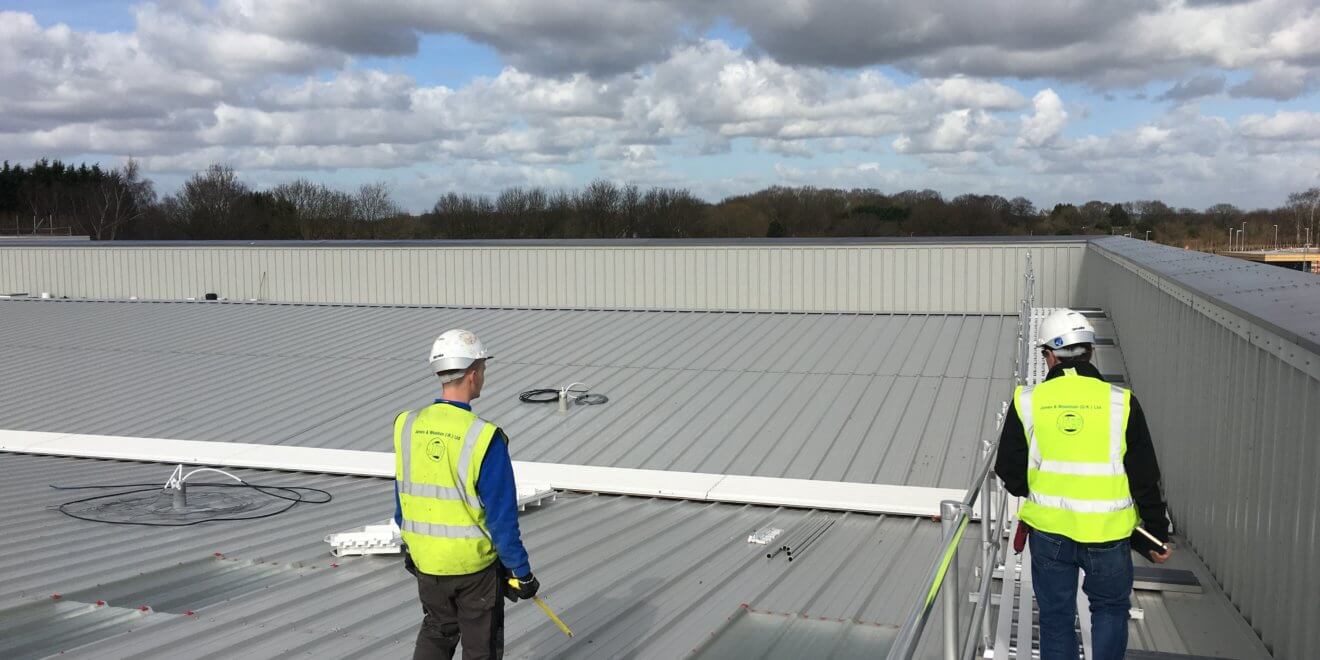
What are the risks of treating weatherproofing as an afterthought?
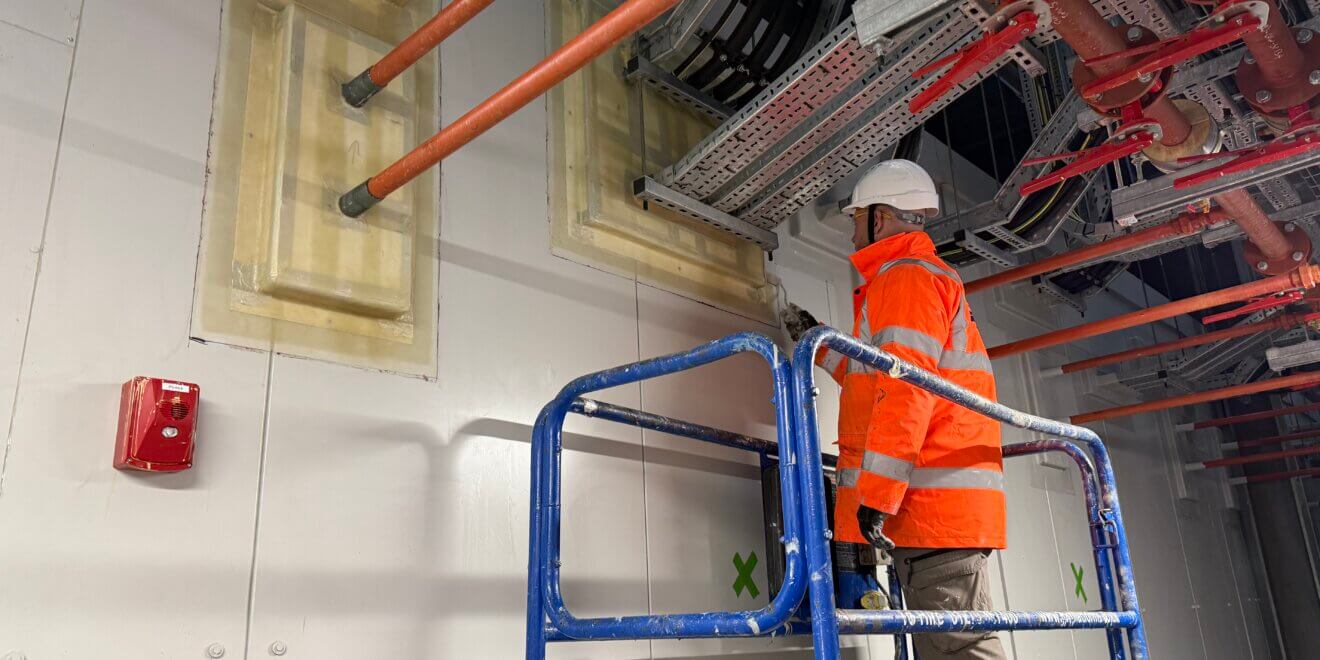
When weatherproofing is treated as an afterthought, projects often face costly remedial work to fix leaks, damp or water ingress. In many cases, building elements installed over the penetration must be removed to allow the weatherproofing team access. Remedial work may also compromise the original design intent.
Other risks include:
- Compromised structural integrity due to prolonged exposure to moisture.
- Increased likelihood of mould, mildew and rot affecting the building and its occupants.
- Project delays and increased costs.
- Potential health and safety issues for workers and future occupants.
Who is responsible for installing and weatherproofing building penetrations?
Building penetrations and their weatherproofing are often treated as afterthoughts because responsibility for them can be unclear. Engaging a specialist weatherproofing contractor early helps eliminate this ambiguity, ensuring that penetrations are correctly installed and sealed, and that work is coordinated with other trades.
How should weatherproofing be coordinated between trades?
With early engagement, weatherproofing contractors can coordinate with architects and specifiers, as well as all on-site trades, including M&E contractors, roofing contractors and cladding installers, to ensure that weatherproofing is carried out at the right time.
By installing and sealing penetrations in the correct sequence alongside other building elements, the weatherproofing contractor can prevent water damage and access the penetration easily, without having to remove completed installations that could otherwise be in the way. Early coordination also helps to reduce congestion on site, especially towards the end of a project when multiple trades are vying for limited space on the roof.
What happens if there are last-minute changes to the penetrations’ design and weatherproofing?
Early engagement with a weatherproofing specialist doesn’t mean that all decisions made at the design stage are set in stone. A building’s penetrations and weatherproofing requirements can change as a project progresses, and the weatherproofing contractor will work with you throughout the project, adjusting the plan as necessary.
Here at Jones Weatherproofing, we offer a completely bespoke weatherproofing system that allows for last-minute changes to be accommodated easily – without compromising performance, the project schedule or compliance.
What’s the most flexible way to weatherproof building penetrations?
Traditional penetration weatherproofing methods primarily rely on roofing cabinets and ready-made fittings. These don’t provide the flexibility that’s often required in real-world projects or to accommodate last-minute changes.
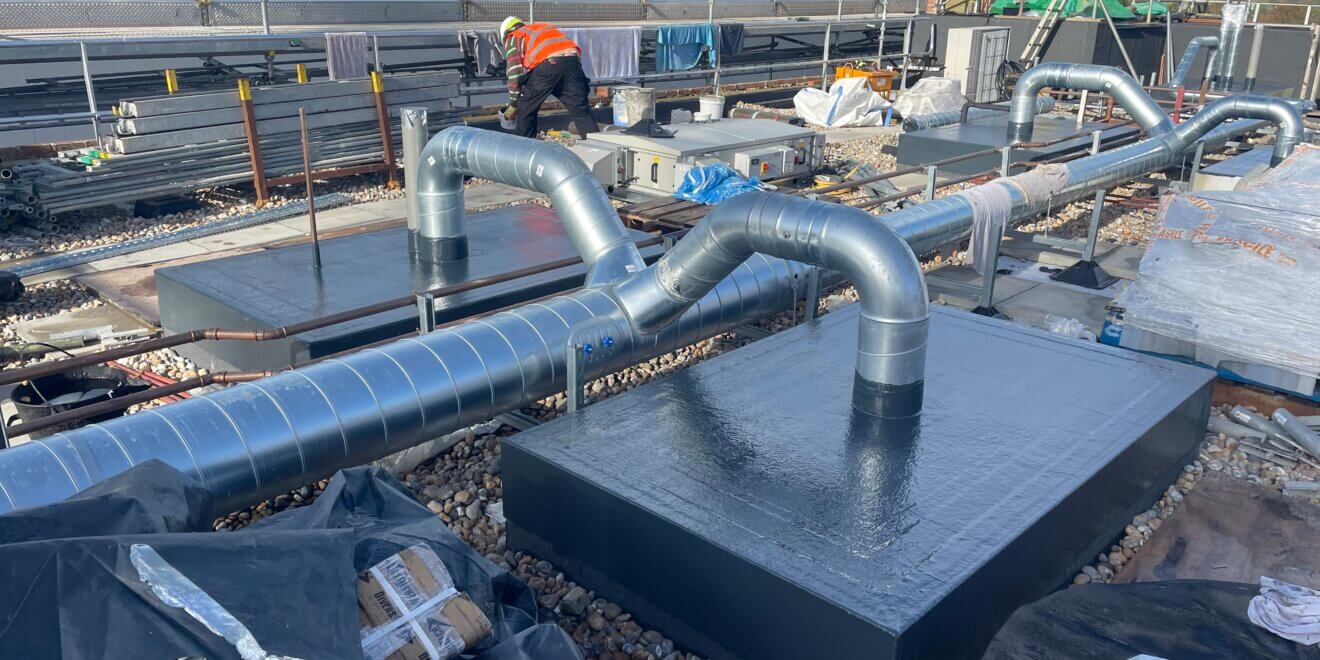
At Jones Weatherproofing, we use a liquid weatherproofing solution that provides flexibility and long-term durability. It can be applied directly to, and around building penetrations, and is compatible with most roofing materials, including GRP.
Because it is a cold-applied liquid, our system provides a bespoke finish that fits around any building details. Once cured, it forms a continuous and fully bonded layer that is UV-stable and requires minimal maintenance.
How do I start planning a weatherproofing strategy?
To create a robust weatherproofing strategy, architects should engage with an expert early in the design process. By specifying a Jones Weatherproofing solution, you can have peace of mind that your design vision will be fully respected and that the building is protected against water ingress and other risks.
Get in touch to discuss how we can support the weatherproofing for any upcoming projects.