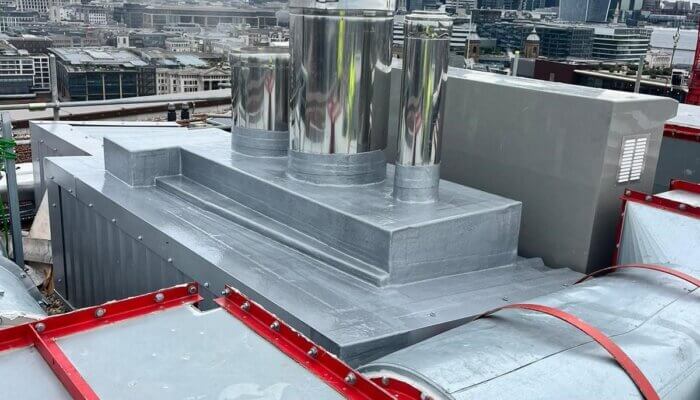
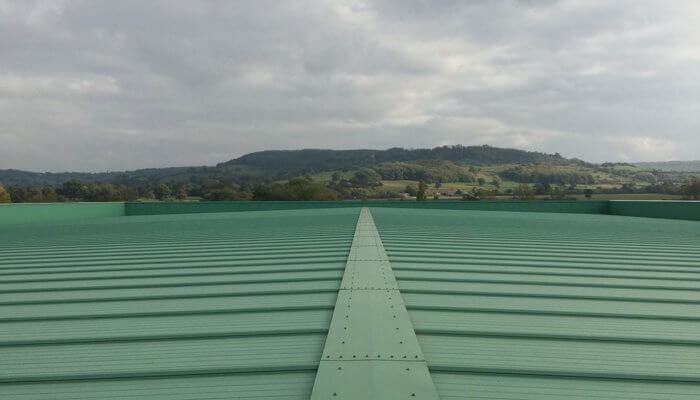
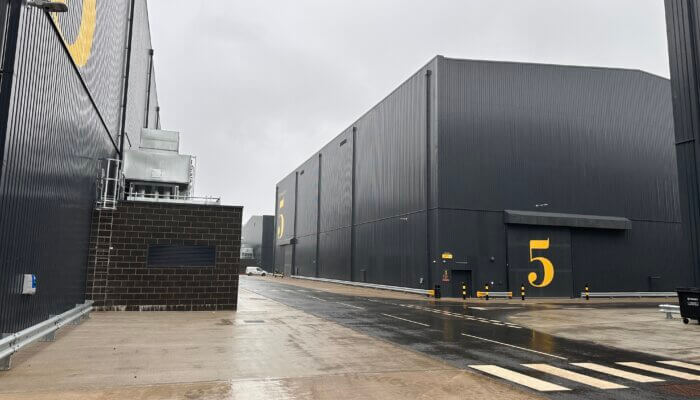
Exposed building penetrations can be problematic for any type of building, potentially causing water damage and impacting performance. For mission-critical facilities such as data centres, the consequences of exposed building penetrations can be even more significant. They can lead to equipment damage, system downtime and service disruption.
At Jones Weatherproofing, our cold-applied liquid weatherproofing can be applied quickly and to any surface, including GRP roofs. It creates a strong and durable seal around exposed building penetrations, helping to provide long-term protection to data centre buildings and the sensitive equipment that they contain.
Below are the answers to frequently asked questions about the risk of exposed building penetrations on data centres.
What are the risks of exposed penetrations?
When a building penetration is exposed, it becomes vulnerable to moisture ingress. This can lead to a range of problems, including:
- Leaks – Water from precipitation can enter through an exposed penetration, allowing moisture, including damp or drips, into the building.
- Condensation – Gaps in the building fabric can impact performance, allowing interstitial condensation to form within walls, roofs or floors.
- Damp – Persistent moisture from leaks or condensation can lead to persistent damp, which can damage equipment and cause problems such as mould, mildew and rot.
- Structural damage – Moisture within the building envelope can contribute to deterioration, including timber rot and metal corrosion.
- Contents damage – Water ingress can damage the items inside the building. In a data centre, this could mean expensive servers and other critical technology.
- Equipment downtime – Even small amounts of water ingress can damage sensitive equipment, resulting in costly downtime and operational disruption that can affect a data centre’s reliability and reputation.
- Poor indoor air quality – Damp conditions can encourage the growth of mould and mildew. This can negatively affect indoor air quality for the people inside the building.
- Impact on occupant wellbeing – Leaks, damp, mould and poor indoor air quality can create an uncomfortable environment and may contribute to health issues for occupants. They can also affect a building’s thermal performance, and damp-related structural damage can create unsafe working conditions.
How does water ingress affect building penetrations?
Exposed or damaged penetrations allow water to get inside the building envelope. Once moisture is present, it can cause deterioration, making the penetration more vulnerable to further water ingress and creating a cycle of ongoing damage.
Can building penetrations be damaged by people working on site?
Yes. Building penetrations – particularly exposed penetrations – are often damaged by people working on site. This can be during construction or as part of ongoing maintenance once the building is complete. For this reason, building penetrations should be sealed with a resilient material that can withstand accidental impact, foot traffic and general site activity.
The potential for damaged building penetrations also highlights the importance of programme sequencing during construction. When penetration weatherproofing is completed at the appropriate stage of the build programme, it minimises the risk of damage and subsequent remedial works.
How can damaged building penetrations delay a project?
When building penetrations become damaged, they need to be repaired and resealed as quickly as possible to minimise risks to the building structure and contents.
While sealing a penetration with the Jones Weatherproofing cold-applied liquid weatherproofing can be quick, gaining access to the affected area is often more complicated.
Depending on the building design, accessing a penetration may require removing adjacent installations or finishes. These will then need to be reinstalled once the penetration is sealed. This additional work can lead to programme delays and added costs.
How can exposed building penetrations lead to water damage to equipment inside a building?
An exposed building penetration can take many forms. It might be a hairline gap between a service and the surrounding building fabric, or it can be a large opening created for a service riser. While it is easy to see how moisture can enter through larger gaps, it’s important to remember that even small openings can provide a pathway for water and moisture ingress.
Once water enters the building envelope, it can travel through the construction layers and into the building interior, where it may drip onto sensitive equipment.
Even small amounts of moisture can accumulate inside building elements, damaging building materials and widening the pathway for moisture. Over time, this can increase the likelihood of leaks and water ingress, potentially leading to damage or disruption.
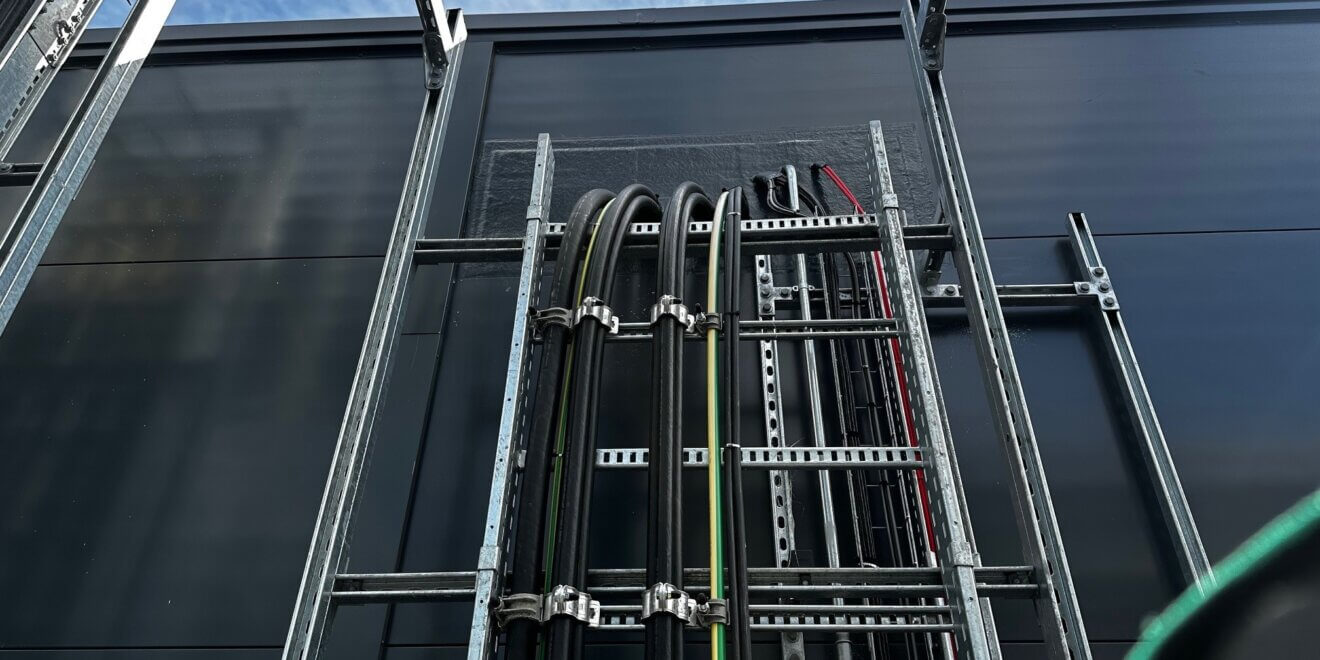

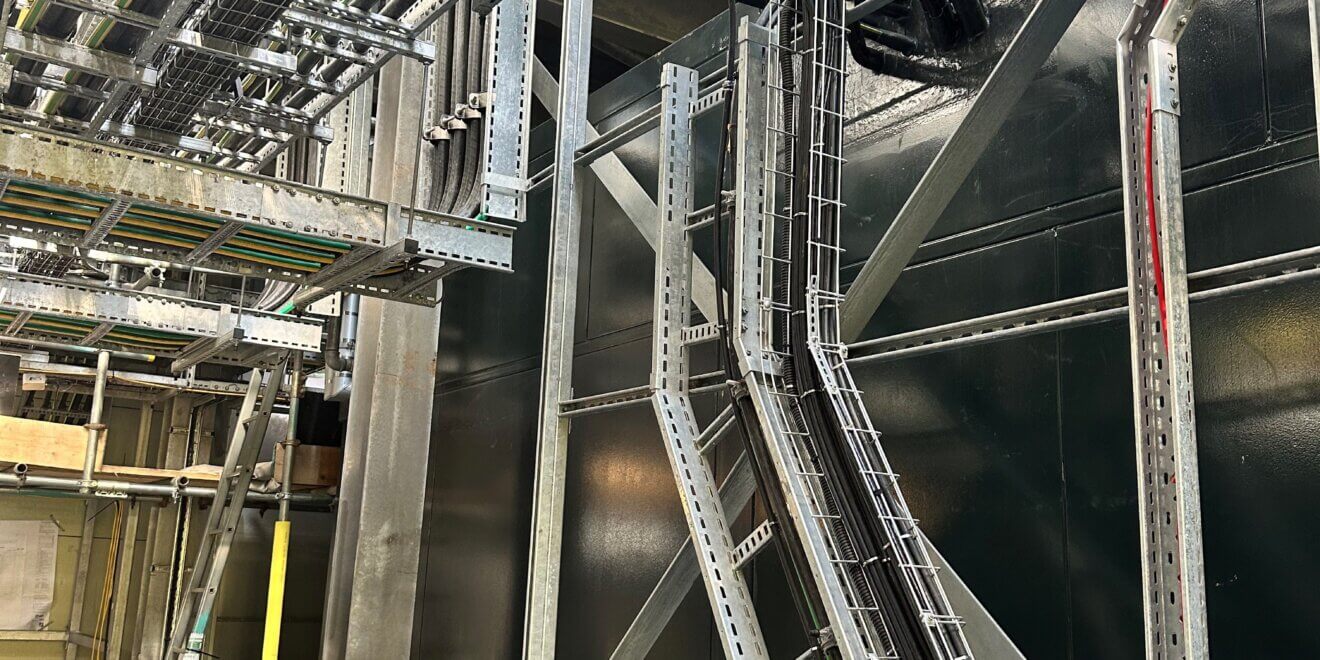
Why should building penetrations be protected from the earliest stages of a data centre project?
The construction of a data centre is often quick, with multiple trades working closely together. If building penetrations are left unprotected, or weatherproofing is delayed until later in the programme, the openings are more likely to be exposed to weather damage or accidental damage.
There’s also the chance that if a building penetration is left unsealed, other equipment or finishes may be installed over it. Installing the weatherproofing layer may then require items to be removed to provide access, then reinstalled, leading to delays and added labour costs.
Weatherproofing penetrations at the right time can help maintain the integrity of the building envelope throughout the build and protect it from weather ingress. It also reduces the likelihood of remedial works and helps to avoid programme delays.
What is the best way to weatherproof building penetrations on data centres?
There are many ways to seal building penetrations in data centres. Traditional systems, such as rigid or “dog-kennel” style enclosures, have been used in the past. But they can be bulky and difficult to maintain. They also limit flexibility where service layouts may change during the build.
In data centres, where service density is high and project requirements can change, a more adaptable approach to weatherproofing is often required.
At Jones Weatherproofing, we use cold-applied liquid weatherproofing based on unsaturated polyester resins. It is suitable for all roof types, including GRP, and creates a permanently resilient, UV-stable seal that provides long-term protection around building penetrations. The system is versatile – it can be adapted to suit last-minute changes to penetration configurations in new-build applications and is also suitable for sealing around penetrations in existing data centres.
How can I learn more about reducing the risk of exposed penetrations on data centres?
The team at Jones Weatherproofing has extensive experience in weatherproofing penetrations on data centres and other mission-critical buildings. To find out more about our weatherproofing system, or discuss how we can help you reduce the risk of exposed penetrations, please get in touch.