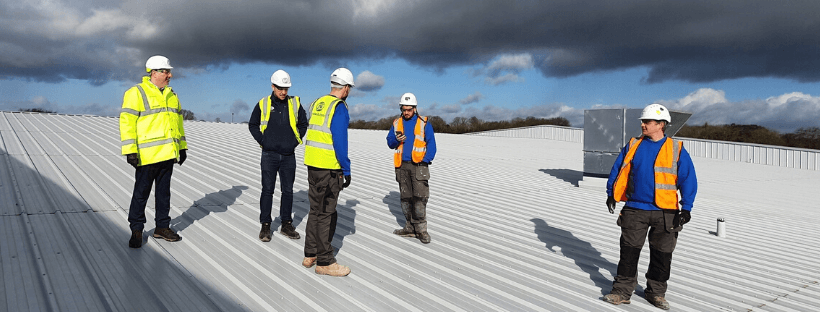
Why is commercial roof maintenance so important?

Share page here

The roof of a commercial building plays a critical role in protecting a building’s structure and its contents, as well as safeguarding the wellbeing of occupants. Commercial roof maintenance helps to ensure the long-term integrity and functionality of the roof, reducing the risk of leaks, water damage and structural deterioration. Maintenance can also prolong the lifespan of the structure, minimise repair costs and support business continuity.

So what is involved in a commercial roof maintenance regime and how can you take steps to ensure a commercial roof is being adequately maintained? Let’s take an in-depth look at what is required, what can be expected and how a maintenance plan can extend the life of a commercial roof.

What is the life expectancy of a commercial roof?

Depending on factors such as the roof build-up, the quality of installation and the local climate conditions, the life expectancy of a commercial roof can range from 10 to 60 years. With regular inspections, suitable maintenance and timely roof repairs, the expected lifespan of a commercial roof can be extended significantly.

What types of roof maintenance are typically required?

The maintenance needed for a commercial roof will depend on the type of roof in question, but all roofs will require regular cleaning to remove debris, dirt and organic growth from the roof surface and drainage channels. Inspections should also be carried out at least twice a year to check for signs of damage or deterioration.

A commercial roof maintenance plan should also include:

  • Checking the roof covering for cracks, bumps or loose edges.
  • Inspecting seals, flashings, upstands and curbs around roof penetrations such as chimneys, vents, access hatches and rooflights.
  • Inspecting rooftop equipment such as solar panels and HVAC plant to ensure they are in good working order, well supported and secured in place.
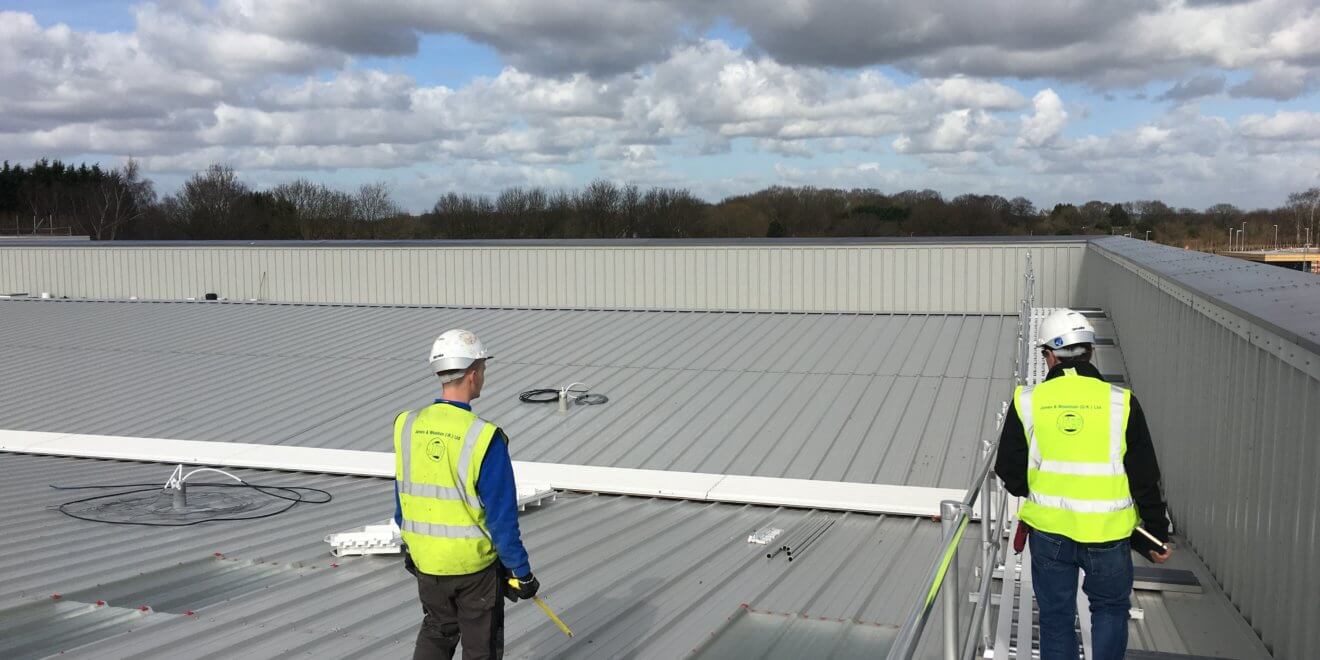
  • Checking the condition of guardrails, anchor points, walkways and other safety features.

Problems found during routine inspections can often be dealt with quickly and easily before they become bigger issues. For example, Jones Weatherproofing’s cold-applied liquid waterproofing can enhance the durability and weather resistance of a commercial roof with minimal disruption.

It’s important to keep detailed records of all maintenance that is carried out, as well as findings from inspections. This will help to keep track of the roof’s condition and requirements and provide a useful source of information.
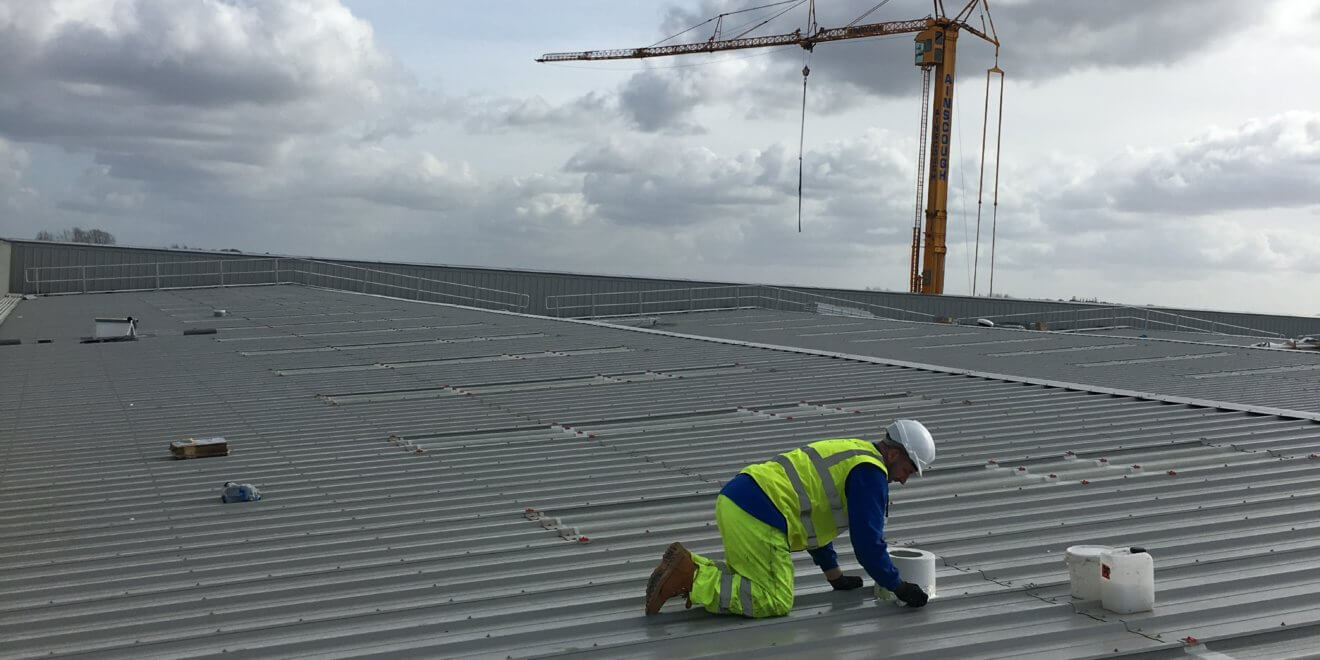
roof penetration being weatherproofed on a modular building

What are the implications of not carrying out commercial roof maintenance?

Proactive commercial roof maintenance is essential for preserving the integrity and weather resistance of the roof, and the entire structure. Filing to maintain and regularly inspect a commercial roof can result in structural and financial consequences as well as safety hazards and potential legal repercussions.

Neglected roofs are prone to leaks, and water ingress can damage the building structure, interior and contents. Leaks can also quickly worsen over time, so it’s important to catch leaks early and repair them quickly. Common problems that are caused by inadequate roof maintenance include:

  • Structural damage – Water infiltration can compromise a building’s structural integrity, including the roof structure, walls and even the foundations. This can lead to safety hazards or potentially catastrophic failure of the building.
  • Damp, mould and mildew – If water permeates the building, it can lead to the growth of mould and mildew, which can damage building materials and cause health risks to occupants.
  • Safety hazards – Leaking roofs can lead to wet, slippery floors, or allow water to get into machinery, which could endanger operators. If the rooftop is used for access, damage to the roof surface can also create trip hazards or other safety risks.
  • Damage to building contents – From factories and warehouses to offices, shops and restaurants, commercial buildings are full of contents that are necessary for business continuity and expensive to replace.
  • Decreased energy efficiency – Cracks, gaps and other commercial roof damage cause draughts and cold bridges, leading to heat loss in the winter or heat gain in summer. HVAC systems will then need to work harder to maintain indoor temperatures, thereby increasing energy consumption and running costs.

The damage caused by inadequate commercial roof maintenance can reduce the property value, as potential tenants or buyers may be deterred from investing in a property that may require extensive repairs.

Neglecting commercial roof maintenance may also lead to other financial or legal implications. For example, the roof systems warranties could become void, meaning the building owner would have to pay the full cost for any necessary repairs or replacements. Safety violations caused by insufficient roof maintenance could lead to legal repercussions, and insurance claims may be denied if roof-related damage is found to have occurred due to poor maintenance.

If you’re not sure what roof maintenance and repairs are required, an expert site survey can help you better understand the current state of your commercial roof.

Extend the life of your commercial roof: maintenance services from Jones Weatherproofing

Regular maintenance is key for ensuring the structure has a long lifespan and performs as expected. This includes roof inspections, cleaning and repairs where needed.

As approved installers of cold-applied liquid waterproofing, Jones Weatherproofing has extensive experience in commercial roof maintenance. Our specially developed cold applied repair solution for GRP roofing systems can be used to repair all types of flat or pitched roofs, and we offer comprehensive maintenance plans to help protect and extend the life of your roof.

To discuss creating a commercial roof maintenance plan for your building please get in touch.

Commercial roof repairs – everything you need to know

Share page here

Commercial roofing and commercial roof repairs are completely different from the residential roofing sector. In this article, we’ll be answering everything from what a commercial roof is, what they’re made of and the options available to you to when they need repairing or replacing, how to weatherproof them and the best materials to use.

What is a commercial roof?

A commercial roof is the top covering of your business’ premises. A lot of, commercial roofs have a flat slope and the type of materials used tends to differ – we’ll cover this in detail a little later on.

Here at Jones Weatherproofing, we’re the industry’s go-to for all things roofing. Our weathering options are endless, our approach is flexible, and our design selection’s comprehensive. To find out more, check out our design and build services.

What are the different types of commercial roofs?

Generally speaking, commercial roofs can be split into two categories: flat or pitched.

Flat roofs need to be finished with a layer of weatherproofing felt or a single-ply membrane, and, despite their name, they aren’t actually 100% flat – they do have a slight fall. Flat roofs tend to be more cost-effective as less labour is needed and materials are usually cheaper.

Made up of at least two slopes that create a peak, pitched roofs are usually more durable than flat roofs and have additional benefits such as extra storage space and potentially more efficient weatherproofing qualities.

What variations of commercial roofs are there and what are they made of?

Some of the most common types of commercial roofs include; felt roofing, liquid roofing, single-ply roofing, metal roofing, slating and tiling, green roofs and rooflights and skylights.

In terms of weatherproofing a roof, acrylic and silicone are a couple of the most used membrane materials. Acrylic membranes are usually on the cheaper side and have the added benefit of being able to give them a re-coat later down the line. One thing worth noting though, is acrylic polymers don’t operate as well when water pools, so if you’ve got a flat roof, it might not be the best option for you.

Silicone membranes generally offer better resistance to water and are relatively easy to apply however, unlike their acrylic counterpart, they can’t be re-coated with any other liquid products.

Roof penetrations

Some common commercial roof penetrations include; soil vent pipes, hot pipes from boiler flues for example, electrical cables for air-con units, and extraction ducting.

Penetrations are often needed to house important installations on the outside of a building where space is at a premium inside, however, because they can compromise your roof’s weatherproofing qualities, they should be implemented carefully and not without speaking to your weatherproofing installer first.

When it comes to roof penetrations and weathering systems Jones Weatherproofing is the expert. We’ve built a name for ourselves designing, building and installing first-class solutions that are structurally sound and weatherproof, and everything we do is bespoke to you. To learn more, take a look at our roof penetration and vertical penetration solutions.

What is the best material for a commercial flat roof?

Because flat roofs don’t disperse water quite as easily as pitched roofs, extra attention needs to be given to its waterproofing properties.

Popular weatherproofing solutions include GRP roofing systems, liquid coatings, single-ply membranes, EPDM rubber, reinforced bituminous membranes, asphalt, and waterproof paint toppings. Above all, however, GRP roofing systems offer the best performance and durability and should be the first choice for commercial roof repairs.

When should I replace my commercial roof?

There isn’t a set answer for this. Commercial roofs can last anywhere from 5 to 100 years depending on the type of materials used, quality of installation, and whether or not you’ve maintained adequate weatherproofing measures (like re-coating your membrane, for example).

Outside of wanting a new roof for aesthetic reasons, an internal leak or evident external damage is an obvious sign repair or replacements are needed.

Before you decide whether to replace the whole roof or just patch up a problem area, weigh up the pros and cons.

While on the one hand simply repairing your roof will be cheaper, it could be more costly in the long-run if a) it’s not done by an expert, and b) you end up having to replace the whole thing down the line anyway.

On the flip side, replacing your whole roof will undoubtedly result in a more structurally sound and weatherproof surface, however, it will also cost substantially more.

Our approach

At Jones Weatherproofing we opt to repair over replace to give our clients the best service, price and roof-life while safely postponing full replacements for up to another 25 years.

If your end laps are rusting we’ll seal over the laps, and if it’s your cladded structure that’s under the spotlight we’ll line the gutters, create new detail valley gutters, and then seal them over your existing ones.

The only type we’d instinctively advise to replace are felt roofs, and we’d do this with our premium replacement service which includes GRP which offers an incredibly resilient solution that can increase the longevity of a flat roof.

Are commercial roof repairs covered by building insurance?

Building insurance covers the cost of repairing or replacing your roof if a natural disaster (like a storm, fire or flood) hits or if it’s damaged by vandalism of subsidence.

How much you’re covered for will vary from provider-to-provider and you may have to pay an excess, but the money you recoup from your building insurance cover could make the cost of repairing or replacing your roof considerably less than you originally thought.

When it comes to the condition of your roof, cost should be secondary. Leaving structural concerns unattended will not only cost more to fix in the long-run but, worst case, could put your employees and customers in harm’s way too.

If you want to chat to one of our technical experts about your next roofing project or need some practical and impartial advice, get in touch with the team on 01922 712111 or contact us here.

Commercial roof damage: repair or replace?

Share page here

Discovering that a commercial roof has been damaged is far from an ideal situation – and it’s likely to lead to many questions. Where did the damage come from? How will you get it repaired? Does the roof need to be replaced? Is the damage going to cause damage to the building’s structure or interior? And, of course, how much is this all going to cost?

Here at Jones Weatherproofing, our team of experts is here to help you sort out the answers to all of these questions. Our surveying team can help you to work out the cause of the damage, find the best solution and help to ensure the commercial roof repairs provide many years of trouble-free service.

What causes roof damage?

There are many reasons why a commercial roof may need repair – and the actual cause of the damage can range from general wear and tear over time, through to weather damage, vermin or even people walking over the roof.

For example, if the weather becomes hot, the bitumen or felt can move around on its own; people working over a roof structure can cause damage, even if they’re careful; and building penetrations, if they’re not properly installed, could lead to roof damage over time. Birds and rodents may start out making small holes, but these can get bigger and worse over time.

Older roofs, meanwhile, also tend to need repairs due to elements simply wearing out. In particular, roof sheets and end-lap details, flashing junctions and cladding intersections can become water-entry points over time.

It’s also important to remember that what looks like a small amount of roof damage now can quickly get worse. A single leak may seem like something you can easily deal with, but water and wind can be incredibly destructive, and it won’t take long for the roof condition to deteriorate.

The benefits of commercial roof repairs

One of the first responses many people have to discovering roof damage is thinking that the roof must be replaced. But the good news is that’s not always the case. Thanks to modern materials and techniques, commercial roof repairs can often be carried out, resulting in a durable and weather-tight roof that should last for many years.

So, why opt for commercial repairs instead of a roof replacement? Here are just some of the benefits:

  • Cost effective – Replacing an entire roof, or even a section of one, can be an expensive undertaking, especially on large commercial roofs. Repairs, on the other hand typically are a fraction of the replacement cost, and the results are just as reliable.
  • Fast – As you can imagine, a roof replacement can take a long time. Depending on the severity of the damage, however, commercial roof repairs can be relatively quick. Not only does this help to keep costs down, but it also means less disruption to business in the commercial building.
  • Environmentally friendly – When a roof is replaced, the old materials often end up going to landfill. With a repair, however, most of the old structure is left in place and continues to serve a purpose, while the repair materials are used to add reinforcement and weatherproofing.

Commercial roof repairs from Jones Weatherproofing

Established in 1979, Jones Weatherproofing has extensive experience in commercial roof repairs, as well as service risers and building penetrations. This means we can provide a complete commercial roof service.

Through our extensive surveys, our team of experts can assess a damaged roof and come up with long-term solutions that not only repair the damage but also ensure the roof’s life is extended and works better than it ever did.

Using cold-applied liquid waterproofing and our specially developed fibre-reinforced system, we’ve worked on a wide range of commercial projects, from shopping centres, office blocks and factories to schools and sports stadia. In fact, our repair methods are suitable for use on any roof, including flat and low-pitch roofs.

To learn more about our commercial roof repairs service and find out if repairs are a better option for your building than a roof replacement, please get in touch.